

Ten years ago, board meetings covered quarterly earnings and market share. Today’s directors spend half their time talking about flood walls and backup generators. What changed? The answer lies in the wreckage of companies that collapsed after predictable disasters they never prepared for.
The True Cost of Fragile Systems
Businesses incur losses of hundreds of thousands of dollars every hour when critical infrastructure breaks down. Data centers go dark. Manufacturing lines stop. Retail systems crash. The financial bleeding starts immediately and continues until systems restore.
Insurance never covers everything. Deductibles run into the millions. Policies exclude crucial scenarios through technical language. After major claims, premiums triple or insurers refuse renewal entirely. Companies discover too late that insurance provides a bandage, not armor.
The damage spreads through interconnected systems. A warehouse failure creates empty store shelves nationwide. Distant factories are paralyzed by a headquarters outage. A server crash delays payroll across all locations. Modern business connects so tightly that single failures cascade everywhere.
Board members face personal liability when infrastructure fails. Shareholders sue directors who ignore obvious risks. Judges rule that boards must protect company infrastructure as part of their fiduciary duty. Personal assets become vulnerable when directors neglect this responsibility. Nothing sharpens focus like individual legal exposure.
Board Members Wake Up to Infrastructure Risks
Financial pressure drives boardroom attention. Pension funds demand disaster planning documentation. Banks require infrastructure audits before approving loans. Insurance companies inspect facilities before writing policies. Without demonstrated resilience, capital becomes expensive or unavailable. The old debate ended. Every director knows businesses that suffered preventable disasters. The discussion shifted from whether problems might occur to how much protection makes sense.
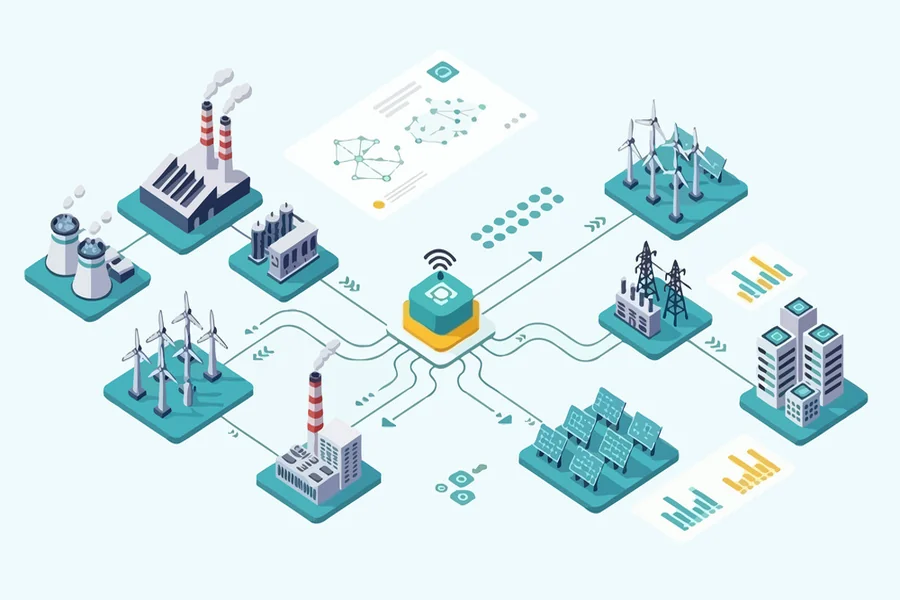
Engineering consulting firms such as Commonwealth guide these crucial decisions with objective analysis. Their battery energy storage solutions provide instant, silent backup power while reducing daily operating costs through smart energy management. Boards appreciate infrastructure investments that protect against disasters while improving normal operations. This combination transforms resilience from pure cost into a strategic advantage.
Strategic Advantages of Resilient Infrastructure
Reliable operations command premium prices. Customers pay extra to suppliers who guarantee delivery despite disruptions. Contracts flow to businesses that maintain operations when others fail. Resilience becomes a marketable asset worth millions annually. Skilled workers prefer dependable companies. Employees favor organizations that provide support during crises. Productivity remains high when staff trust infrastructure. Retention improves at organizations demonstrating long-term thinking. Human capital gravitates toward prepared businesses.
Companies that improve a community’s capacity to overcome difficulties receive local backing. Businesses provide essential services when governments falter. This fosters loyalty that marketing can’t buy. Positive political sentiment builds, which facilitates future growth. When businesses contribute to the community, their regulatory processes move more swiftly.
Making Resilience Decisions That Count
Effective boards establish measurable resilience standards. They specify minimum backup duration requirements. Maximum acceptable recovery times are defined. They mandate regular testing protocols. These metrics convert abstract concerns into concrete objectives.
Smart allocation balances protection with cost. Critical operations justify premium infrastructure investment. Supporting functions receive proportional protection. Non-essential areas accept basic safeguards. This portfolio approach optimizes resilience spending across entire organizations. Testing reveals gaps before disasters strike. Regular drills expose weaknesses. Simulations identify dependencies. Exercises train staff. Preparation transforms theoretical plans into practical capabilities.
Conclusion
Companies focus on resilience. They do so because board members understand that infrastructure breakdowns can dismantle businesses more rapidly than competition or market shifts. Organizations with robust infrastructure survive disruptions. Disruptions that eliminate weaker competitors. Boards investing in resilience protect shareholder value. They protect workforce stability and community relationships. Those delaying face escalating risks in an increasingly unstable environment. The boardroom question evolved from whether to build resilient infrastructure to how quickly implementation can occur.
