

Key Takeaways
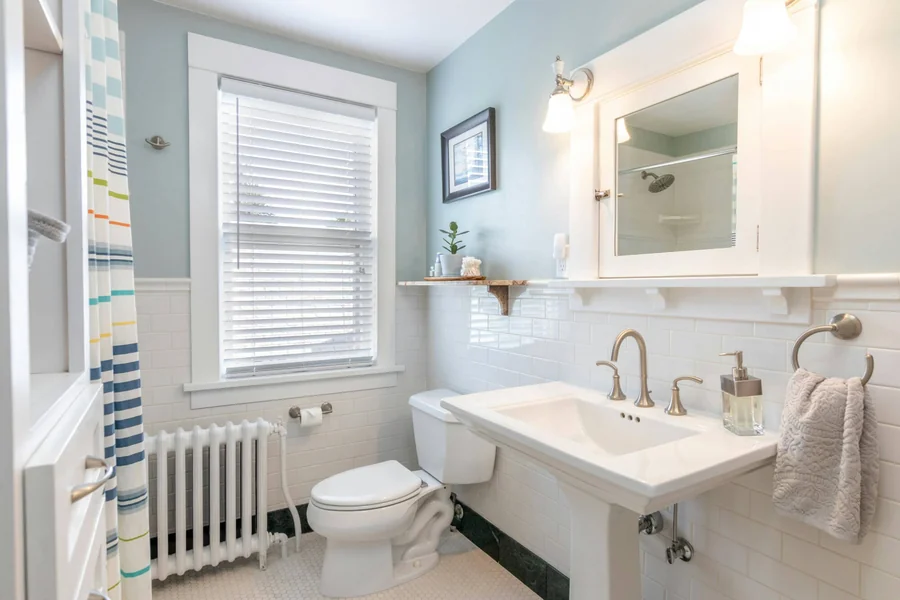
Pedestal sinks make the most of limited space in small bathrooms with their slender design, which not only enhances open areas but also creates a seamless visual flow. This type of sink can contribute to a feeling of airiness, making even the coziest of bathrooms feel more spacious and welcoming.
By selecting light colors and streamlined finishes, pedestal sinks can reflect light, cultivating a brighter atmosphere that gives the illusion of a larger environment.
These sinks come with timeless designs that can harmonize with various decor styles, making them a significant asset in the design repertoire for both contemporary and traditional aesthetics.
To achieve a cohesive bathroom theme, careful selection of faucets, mirrors, and lighting to match the pedestal sink is essential. This coordination results in a harmonious aesthetic experience.
Proper installation of a pedestal sink is crucial, requiring evaluation of plumbing compatibility, precise height measurements, and secure mounting for both stability and functionality.
Regular maintenance is straightforward; simple cleaning with mild soap and ongoing leak inspections will ensure that the pedestal sink maintains its elegance and performance.
Addressing common concerns like slow drainage or surface cracks promptly is key to preserving the sink’s aesthetic charm and preventing more significant damage over time.
Maximizing Space: How Pedestal Sinks Transform Tiny Bathrooms
Understanding the Geometry: Space-Saving Designs
The design of a pedestal sink provides a distinctive solution to the ongoing challenge of small bathrooms. With a slender profile instead of bulky cabinetry, it frees up valuable floor space. This unique shape doesn’t merely save space; it can significantly alter the movement within the bathroom. Professionals confirm that the right pedestal sink can enhance the utility of the available area, effectively making even the tiniest bathrooms feel substantially larger.
Think about how a pedestal sink stands apart from traditional vanity units. The absence of enclosures creates an inviting frame for the room, allowing light to flow freely and fostering a sense of openness. In spaces where every inch matters, each design detail plays a part in shaping the overall atmosphere. It’s a delicate dance between form and function that highlights the importance of thoughtful design in small areas. Whether in architecture, interiors, or digital spaces, resources like hebeos.com demonstrate how careful attention to detail can create solutions that are both visually appealing and highly practical.
- Streamlined shapes enhance the perception of space.
- Unhindered access allows for easier movement.
- Placement versatility ensures fit in various layouts.
Here’s the takeaway: when a sink stands independently, it declutters the visual space. Homeowners appreciate the psychological benefits of stepping into a bathroom that feels open and refreshed. Pedestal sinks can act as focal points, guiding the eye up toward fixtures and tile work, rather than letting it get lost inside cabinetry.
Creating an Illusion of Room: Visual Lightness Explained
It’s not merely about the physical dimensions; perception plays a massive role. A pedestal sink delivers a sense of visual lightness often absent in heftier fixtures. By selecting appropriate materials and colors, this effect can be heightened even further. Light hues, such as white or soft pastels, work to reflect light, creating a more vibrant feel. Meanwhile, sleek finishes contribute to the overall contemporary allure.
Shiny surfaces can create optical illusions, making a restroom feel more expansive. Furthermore, an unobstructed floor beneath the sink allows the eye to traverse the area effortlessly, enhancing the perception of roominess. Clients frequently share that their compact bathrooms underwent a remarkable transformation after the installation of a pedestal sink.
“A well-placed sink doesn’t just serve a function; it reframes the entire room.”
Choosing a pedestal sink that aligns with existing decor finalizes the illusion of depth. The integration of such a sink within the broader design can yield a cohesive and inviting bathroom atmosphere.
Style Meets Function: Aesthetics of Pedestal Sinks
Timeless Designs: Classic Elegance for Modern Spaces
Timeless design epitomizes pedestal sinks. Their long-standing presence in home interiors evokes classic elegance. Be it a vintage-inspired porcelain creation or a sleek modern variant, these sinks seamlessly adapt to diverse stylistic preferences without sacrificing their essence.
Experts believe that this flexibility positions them as invaluable components in a homeowner’s design toolbox. They complement an array of aesthetics, from sleek modernism to nostalgic vintage styles. Options abound to add sophistication through varied materials and shapes.
- Round basins introduce a traditional warmth.
- Square models offer modern angular contrast.
- Color variations and under-mount options provide design flexibility.
There’s an appeal in their simplicity; they survive beyond fleeting trends. Integrating such a sink can bolster a space’s design authority, pleasing both residents and guests alike. Thus, they fulfill a dual purpose: practicality and an aesthetic anchor in the room.
Complementary Features: Coordinating with Bathroom Décor
A pedestal sink doesn’t exist in a vacuum. It interacts with surrounding design elements, forming a cohesive theme. Clients often discover that strategic selection of faucets, mirrors, and lighting is essential for maintaining harmony. Matching hardware finishes create a unified aesthetic, ensuring the sink feels naturally integrated within the overall design narrative.
For example, pairing a vintage-style pedestal sink with brushed brass fixtures could evoke a sense of antique luxury, transporting users to a bygone era. Alternatively, selecting a minimalist faucet can define a modern look focused on clean lines. Regardless of choices, attention to detail elevates the entire experience.
- Opt for faucets and fixtures that harmonize with the sink’s finish.
- Incorporate lighting to enhance the sink’s features.
- Coordinate towels and storage for a polished appearance.
This thoughtful coordination enables homeowners to curate bathrooms that reflect intentionality rather than randomness. Ultimately, such efforts not only reveal personal style but also uphold functional integrity.
Installation Insights: What to Expect When Choosing a Pedestal Sink
Step-by-Step Guide to Installation Procedures
Considering the installation of a pedestal sink? While a manageable task, it does require preparation. Professionals often suggest starting by assessing the current plumbing conditions. Here’s a straightforward installation outline:
- Shut off the water supply to the area.
- Remove any existing fixtures, ensuring the wall behind is clean.
- Make sure plumbing is slated for the new sink – everything from height to drainage and positioning should be optimal.
- Follow the manufacturer’s directions to install the sink, ensuring it’s level and secure.
- Reconnect water supply lines and test for leaks.
While this can be a DIY project, many opt for professional help for that added peace of mind. The appeal of a polished finish often outweighs the satisfaction of doing it oneself. Ultimately, installation creates a seamless integration of the sink into the bathroom.
Common Considerations: Plumbing, Height, and Stability
Before diving into installation, a few key considerations need attention. Plumbing is paramount. The placement of supply lines and waste pipes must align precisely with the sink’s specifications. Nothing halts progress quite like incompatible plumbing setups. Height is another often-overlooked aspect. A sink that is too tall or short can lead to awkward usage.
Stability should also be a priority. A pedestal sink must be securely mounted to avoid any shifting or wobbling. Clients typically face discomfort from stability-related issues, so ensuring the base is solidly attached to the wall—or appropriately anchored to the floor—can help mitigate future frustrations.
- Check the compatibility of existing plumbing before purchasing.
- Measure preferred height for comfort.
- Ensure stability during installation to prevent issues later on.
These straightforward checks can save considerable hassle. A dependable installation sets the stage for years of enjoyment. When attention is paid to these elements, the benefits of a strikingly functional pedestal sink can truly shine.
Maintenance Made Easy: Caring for Your Pedestal Sink
Cleaning Tips: Keeping Surfaces Sparkling
Caring for a pedestal sink doesn’t have to be a burdensome task. In reality, homeowners can adopt simple cleaning habits to keep surfaces looking pristine. Regular maintenance is crucial, not just for aesthetics but also for durability. Here’s how to keep the sink in prime condition:
- Use mild soap and water to clean porcelain surfaces, steering clear of harsh chemicals.
- Wipe faucets regularly to prevent water stains and mineral buildup.
- Check plumbing pipes periodically for leaks or damage.
Maintaining a proactive approach to cleaning and inspections ensures that the beauty of a pedestal sink endures. It’s a commitment to both style and functionality that yields impressive returns. Homeowners looking for inspiration on creating well-maintained and inviting spaces can find useful ideas and resources at stayinthewoods.com.
Identifying and Addressing Common Issues
Every bathroom fixture can face challenges, and pedestal sinks are no different. Homeowners often encounter minor issues that, while not critical, can become overwhelming if neglected. For example, a slow drain may indicate clogs or plumbing difficulties. Tackling these minor fixes early can prevent headaches later on.
Another issue that can arise is the potential for cracks or chips in porcelain. Immediate attention is required to avert further damage. Taking care of these concerns means preserving the overall aesthetic and maintaining functional integrity.
- Keep an eye out for discoloration or stains and treat them promptly.
- Regularly examine plumbing connections for signs of wear.
- Clean the sink’s surface frequently to avoid buildup and flaking.
With consistent attention, a pedestal sink remains an eye-catching centerpiece in compact bathrooms for years. This dedication to both aesthetics and function endures through daily use.
FAQ
What types of materials are best for pedestal sinks?
Selecting the right material can significantly affect both aesthetics and durability. Common choices include porcelain, ceramic, and stone. Professionals frequently favor porcelain for its classic charm and ease of cleaning, while stone may offer a more luxurious feel for upscale designs.
How do pedestal sinks compare to wall-mounted sinks?
Both options are space-efficient; however, pedestal sinks provide a traditional appearance with a wider base that enhances stability. In contrast, wall-mounted sinks deliver a sleek, modern aesthetic and can be installed at any height. The choice primarily depends on the desired style and personal preferences for functionality.
Can a pedestal sink fit in any bathroom layout?
While versatile, pedestal sinks may not suit every layout. They perform best in bathrooms with sufficient wall space for installation and plumbing access. A professional assessment is wise to ensure the sink’s dimensions harmonize with the overall design and available area.
What are some trending designs for pedestal sinks?
Design trends evolve over time, with current favorites encompassing vintage-inspired and minimalist styles. Homeowners often explore unique shapes or finishes to make their bathrooms stand out. Options like matte black or artistic porcelain tend to attract discerning eyes.
How can lighting enhance the appearance of a pedestal sink?
Lighting is vital in showcasing a pedestal sink’s design. Thoughtfully placed fixtures can create dramatic shadows or a soft glow, enriching the texture and color of the materials. Professionals typically recommend mixing ambient lighting with accent lights to bolster the aesthetic impact.
What’s involved in removing an old sink before installation?
The process of removing an old sink is fairly straightforward and includes shutting off the water supply, disconnecting plumbing, and carefully detaching the sink from the wall or countertop. It’s vital to handle this exercise with care to prevent damage to surrounding fixtures or cabinetry during this phase.
Are pedestal sinks suitable for families with children?
Pedestal sinks can be practical for families, offering ample space beneath for storage or ease of cleaning. Nonetheless, safety considerations—like rounded edges and non-slip flooring—should be factored in to ensure a child-friendly environment within the bathroom.
How do pedestal sinks impact home resale value?
Investing in a pedestal sink can favorably influence the resale value of a home, particularly when it’s part of a well-designed and functional bathroom. Buyers often seek stylish and space-efficient designs, making pedestal sinks an appealing feature in the competitive market.
