

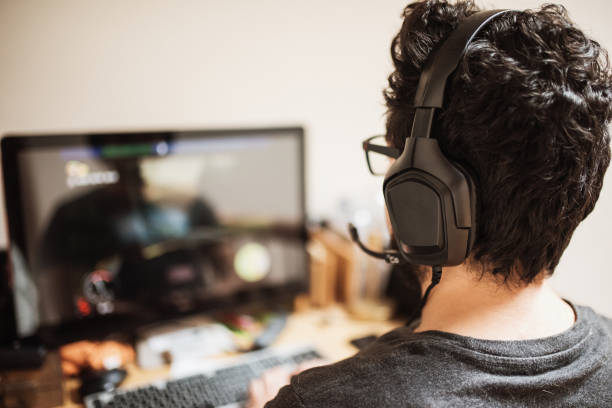
Online gaming has evolved far beyond mere entertainment, becoming a rich tapestry of social interactions, cooperative gameplay, and competitive rivalries. Central to this dynamic ecosystem are game guilds, player-formed communities that serve as hubs for collaboration, camaraderie, and collective achievement. However, the diverse and often passionate nature of slot online gaming communities can also give rise to conflicts and tensions within guilds, stemming from differences in playstyles, personalities, and goals. In this comprehensive exploration, we will delve deep into the art of virtual diplomacy, examining the strategies, challenges, and significance of negotiating peace within online game guilds.
Online Game Guilds
Guilds are the backbone of online gaming communities, providing players with a sense of belonging, identity, and purpose within the virtual world. These player-formed organizations serve as social networks, support systems, and collaborative platforms, enabling members to tackle challenges, share experiences, and forge lasting friendships. Whether it’s coordinating group activities, sharing knowledge and resources, or simply socializing with like-minded individuals, guilds play a central role in enhancing the multiplayer gaming experience.
Dynamics of Guild Interactions
Within the vibrant and diverse landscape of online slot game guilds, interactions among members are shaped by a myriad of factors, including personality differences, communication styles, and gaming preferences. Conflicts can arise from disagreements over loot distribution, raid strategies, leadership decisions, or interpersonal conflicts between members. Navigating these dynamics requires effective communication, conflict resolution skills, and a commitment to fostering a positive and inclusive community environment.
The Art of Virtual Diplomacy
Conflict resolution lies at the heart of virtual diplomacy, offering a framework for addressing disputes and restoring harmony within guilds. Effective conflict resolution strategies involve creating a safe and respectful space for dialogue, actively listening to the concerns and perspectives of all parties involved, and collaboratively seeking mutually acceptable solutions. By promoting empathy, understanding, and compromise, guild leaders can mitigate conflicts before they escalate and cultivate a culture of cooperation and solidarity within the guild.
-
Collaborative Problem-Solving
Collaborative problem-solving involves engaging guild members in the process of finding solutions to conflicts and disputes. Leaders can encourage members to brainstorm creative ideas, explore alternative perspectives, and work together to develop win-win solutions that address the needs and interests of all parties involved. By involving members in the decision-making process and empowering them to take ownership of solutions, leaders can foster a sense of ownership and accountability within the guild.
Negotiating Peace Treaties
In situations where conflicts persist or escalate between guilds, virtual diplomacy becomes essential for negotiating peace treaties and resolving disputes diplomatically. This may involve establishing diplomatic channels of communication with leaders of rival guilds, engaging in constructive dialogue to identify underlying issues and common interests, and working together to find mutually beneficial solutions. By approaching negotiations with transparency, goodwill, and a commitment to conflict resolution, guild leaders can build trust, foster cooperation, and strengthen relationships with other guilds, ultimately contributing to a more peaceful and harmonious gaming community.
-
Establishing Diplomatic Channels
Establishing diplomatic channels involves reaching out to leaders of rival guilds to initiate dialogue and explore opportunities for conflict resolution. Guild leaders can use in hokiraja slot online game messaging systems, forums, or social media platforms to communicate with other guild leaders and express their willingness to engage in diplomatic negotiations. By initiating contact in a respectful and non-confrontational manner, leaders can lay the groundwork for productive dialogue and collaboration.
Building Strong, Cohesive Guilds
Promoting a Culture of Inclusivity and Diversity
A key aspect of effective virtual diplomacy is promoting a culture of inclusivity and diversity within guilds. By embracing players of all backgrounds, skill levels, and playstyles, guilds can harness the unique strengths and perspectives of their members, fostering creativity, innovation, and resilience. This may involve implementing policies and practices that promote fairness, equality, and respect for all members, as well as actively recruiting and retaining a diverse membership base. By celebrating diversity and embracing inclusivity, guilds can create a welcoming and supportive community where all players feel valued and respected.
-
Creating Inclusive Policies and Practices
Creating inclusive policies and practices involves proactively addressing issues of discrimination, harassment, or exclusion within the guild community. Guild leaders can establish clear guidelines and expectations for respectful behavior, enforce zero-tolerance policies for discriminatory or harmful conduct, and provide resources and support for members who experience harassment or discrimination. By promoting a culture of inclusivity and diversity, leaders can create a safe and welcoming environment where all players can thrive and contribute to the success of the guild.
-
Recruiting and Retaining a Diverse Membership
Recruiting and retaining a diverse membership involves actively seeking out players from diverse backgrounds, cultures, and perspectives to join the guild community. Guild leaders can use inclusive language and imagery in recruitment materials, reach out to underrepresented groups within the gaming community, and create opportunities for players to connect and socialize with one another. By fostering a sense of belonging and acceptance, leaders can attract a diverse range of players to the guild and create a vibrant and dynamic community that reflects the richness and diversity of the gaming world.
Nurturing Leadership and Mentorship
Strong leadership is essential for guiding guilds through challenges, inspiring members to achieve their full potential, and fostering a sense of unity and purpose within the community. Guild leaders play a crucial role in setting the tone, vision, and direction of the guild, as well as providing guidance, support, and mentorship to members. By nurturing leadership skills and fostering a culture of mentorship within the guild, leaders can empower members to take on leadership roles, develop their skills, and contribute to the success of the community. Through effective leadership and mentorship, guilds can cultivate a culture of accountability, collaboration, and continuous growth, laying the foundation for long-term success and resilience.
-
Developing Leadership Skills
Developing leadership skills involves providing opportunities for members to develop and hone their leadership abilities through training, mentorship, and hands-on experience. Guild leaders can create leadership development programs, workshops, or seminars that cover topics such as communication, conflict resolution, decision-making, and team management. By empowering members to take on leadership roles and providing them with the support and resources they need to succeed, leaders can cultivate a new generation of leaders who are equipped to guide the guild to success.
-
Fostering a Culture of Mentorship
Fostering a culture of mentorship involves creating opportunities for experienced members to mentor and support newer or less experienced players within the guild. Guild leaders can pair mentors with mentees based on shared interests, goals, or areas of expertise, and provide resources and guidance to facilitate mentorship relationships. By fostering a culture of mentorship, leaders can create a supportive and nurturing environment where members can learn from one another, share knowledge and experiences, and grow together as a community.
Conclusion
In the ever-evolving landscape of online slot gacor gaming, virtual diplomacy is an indispensable tool for navigating conflicts, negotiating peace, and building strong, cohesive guilds. By embracing the art of virtual diplomacy, players can resolve disputes, foster collaboration, and create a more inclusive and harmonious gaming community. Through effective conflict resolution strategies, diplomatic negotiations, and strong leadership, guilds can overcome challenges, achieve their goals, and forge lasting friendships that transcend the virtual realm. As players continue to come together in online slot gacor gaming communities, the art of virtual diplomacy will remain a cornerstone of building peace and harmony in the virtual realm.
