

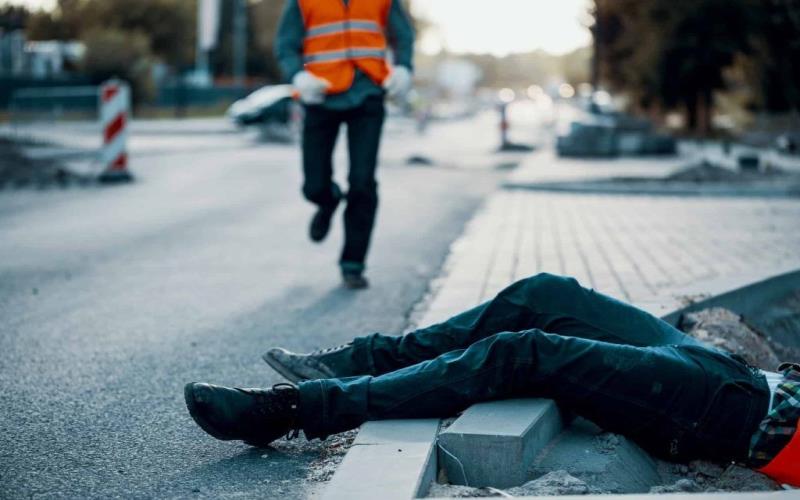
Navigating New York City’s bustling sidewalks can be challenging, especially when broken pavement or uneven surfaces pose unexpected hazards. Every year, countless pedestrians suffer injuries from trips and falls caused by poorly maintained sidewalks, raising questions about liability and legal rights.
In NYC, determining who’s responsible for these accidents isn’t always straightforward. Property owners, the city, and even contractors may share accountability, depending on the circumstances. Understanding the legal framework surrounding sidewalk injuries is crucial for anyone seeking compensation for medical expenses, lost wages, or other damages.
Whether you’re a victim of a fall or a property owner concerned about potential lawsuits, knowing the laws and your rights can make all the difference. NYC’s unique legal landscape requires careful navigation, and being informed is the first step to protecting yourself.
How Broken Pavement Causes Sidewalk Injuries in NYC
Broken pavement creates hazardous conditions that frequently result in sidewalk injuries across NYC. Uneven slabs, cracks extending over an inch, and missing concrete are common causes of tripping or losing balance. These defects increase the risk of ankle sprains, fractured bones, and head injuries for pedestrians.
Inclement weather exacerbates the danger by hiding cracks or creating slippery surfaces. Rainwater can fill depressions in broken pavement, concealing them from view. Snow and ice, if not cleared promptly, add an additional layer of risk for falls.
High foot traffic areas are especially prone to these hazards. Neighborhoods with significant pedestrian activity, such as Manhattan’s business districts, often see quicker deterioration of sidewalks due to the constant pressure exerted by daily foot traffic. Poor maintenance amplifies the risks in such areas.
To address injuries caused by broken pavement, individuals may seek legal advice. Consulting a Sidewalk Injury Attorney helps victims understand their rights and determine liability.
Who Is Responsible for Sidewalk Maintenance and Repairs?
In New York City, responsibility for sidewalk maintenance and repairs typically falls on adjoining property owners. Under NYC Administrative Code §7-210, property owners must maintain sidewalks in a safe condition, fixing defects like cracks, uneven slabs, and broken pavement. Residential properties with one, two, or three units, where the owner resides, are usually exceptions, with the city assuming responsibility.
Liability for sidewalk defects can shift when government-owned properties, such as public parks or schools, adjoin sidewalks. In these cases, the City of New York often takes on repair obligations. The Department of Transportation (DOT) inspects sidewalks for defects and may issue violations or require repairs by property owners. Property owners failing to comply may face fines or lawsuits if injuries occur.
Special considerations apply when contractors perform work adjacent to sidewalks. Contractors working on construction or utility repairs may be liable for damage caused by their activities. Injured pedestrians should document the area and consult a qualified professional, such as a Sidewalk Injury Attorney, to determine fault. To Find out more about relevant legal options, reviewing NYC’s liability frameworks is critical.
Steps to Take After a Sidewalk Injury
Document the Scene
Collecting evidence is crucial. Take photographs of the broken pavement or hazardous condition that caused the fall and the surrounding area. Include any visible injuries, weather conditions, and landmarks. Eyewitness contact information, if available, can provide additional support.
Seek Medical Attention
Address injuries immediately. Obtain medical records detailing the injuries sustained, as they can serve as critical evidence in any legal claim. A delay in seeking treatment could weaken the case.
Report the Incident
File a formal complaint with the property owner, building management, or relevant government agency. If the issue involves NYC sidewalks, submit a report to the Department of Transportation (DOT) for documentation.
Preserve Evidence
Retain footwear, clothing, and any items damaged during the incident to demonstrate the fall’s impact. Store them properly, as they may be used as evidence during legal proceedings.
Contact a Sidewalk Injury Attorney
Consult a legal professional to understand your rights and determine liability. They can investigate whether the property owner, city, or contractor is responsible. For those pursuing compensation, finding legal representation early is essential to navigate claims effectively and adhere to deadlines.
Find Out More About NYC Laws
Review NYC’s Administrative Code §7-210, which outlines sidewalk maintenance responsibilities. Understanding these regulations can help injured parties assess the situation’s legal aspects.
Proving Negligence in a Sidewalk Injury Lawsuit
Establishing negligence in a sidewalk injury lawsuit requires demonstrating four critical elements: duty of care, breach of duty, causation, and damages. Each element must be supported by credible evidence to build a strong case.
- Duty of Care: Property owners adjacent to sidewalks or municipalities responsible for maintenance, under NYC Administrative Code §7-210, owe a legal duty to maintain sidewalks in safe conditions. For example, commercial property owners must repair uneven slabs and cover structural cracks.
- Breach of Duty: Evidence like photographs, DOT violations, or maintenance records can show negligence. If a property owner or city entity failed to address hazards such as broken pavement or improper repairs, it establishes a breach.
- Causation: Plaintiffs must link the hazard to their injury. Clear documentation, including witness statements, accident location photos, and medical records, is essential to prove the unsafe condition was the direct cause of harm.
- Damages: Plaintiffs should substantiate physical, emotional, and financial damages incurred from the injury. Medical bills, lost wages, and evidence of pain or suffering strengthen this claim.
Plaintiffs often overcome challenges in proving negligence by working with a Sidewalk Injury Attorney. Legal professionals analyze specifics like property records, prior claims, and inspection history. To find out more about building a robust lawsuit, legal advice is recommended to ensure all relevant NYC laws are considered.
Legal Challenges in Filing Claims Against Property Owners and Municipalities
Filing claims for sidewalk injuries presents distinct challenges due to complex liability laws and procedural requirements in NYC. Property owners bear responsibility for maintaining sidewalks adjoining their properties, as prescribed by NYC Administrative Code §7-210. However, disputes often arise when determining whether the property owner or another entity, such as the city, neglected maintenance.
Proving liability against property owners requires evidence of negligence. Plaintiffs must establish that the owner failed to repair the sidewalk hazard within a reasonable timeframe and that the defect directly caused the injury. Common defenses include arguing a lack of prior knowledge about the defect or that the plaintiff contributed to the accident. Collecting photographs, DOT violation records, and eyewitness accounts can be critical when filing these claims.
Claims against municipalities are further restricted by stringent procedures. In most cases, injured parties must file a Notice of Claim with the City of New York within 90 days of the accident. Municipal claims require evidence that the city had written notice of the hazardous condition at least 15 days before the injury, as outlined under General Municipal Law §50-e. If this notice can’t be proven, holding the municipality accountable becomes significantly more challenging.
Insurance adjusters often attempt to minimize compensation for sidewalk injury claims. They may argue that preexisting conditions, improper footwear choices, or inattentiveness contributed to the fall. Working with a Sidewalk Injury Attorney can help victims counter these tactics, ensuring accurate liability assessments and fair compensation. Victims should find out more about specific laws affecting their case to strengthen their claims.
What Compensation Can Pedestrians Recover?
Pedestrians injured due to broken pavement or defective sidewalks in NYC may seek compensation for various damages resulting from their injuries. Recoverable damages generally fall into economic and non-economic categories, depending on the specifics of the case.
-
Medical Expenses
Victims can claim current and future medical costs linked to the injury. Examples include ambulance fees, hospital bills, physical therapy, prescription medications, and necessary medical devices.
-
Lost Wages
If the injury caused missed workdays or impaired earning capacity, pedestrians may recover wages lost during recovery. Compensation may also cover reduced earning potential when injuries lead to long-term or permanent disability.
-
Pain and Suffering
Non-economic damages address physical pain, emotional distress, and loss of life quality caused by the injury. For instance, pedestrian injuries resulting in chronic pain or psychological trauma, such as anxiety or PTSD, may qualify under this category.
-
Other Out-of-Pocket Expenses
Compensation can cover additional costs directly related to the injury. Common examples include transportation to medical appointments and home modifications necessitated by physical disabilities.
-
Wrongful Death Damages
If a pedestrian succumbs to their injuries, families may pursue compensation to cover funeral expenses, loss of companionship, and loss of financial support.
Determining the exact compensation award depends on gathering evidence and proving negligence effectively. For guidance on maximizing recoverable damages, injured parties can find out more by consulting a Sidewalk Injury Attorney specializing in NYC laws.
How an Attorney Can Assist in Sidewalk Injury Claims
Navigating the legal complexities of sidewalk injury claims in NYC can be overwhelming without professional guidance. A skilled attorney can assess liability, gather critical evidence, and ensure all procedural requirements are met, including filing deadlines like the Notice of Claim.
They advocate for fair compensation by negotiating with insurance companies and presenting a strong case in court if necessary. With their expertise, victims can focus on recovery while maximizing their chances of securing the damages they deserve. Consulting an attorney is a vital step toward achieving a favorable outcome in these challenging cases.
