

Understanding the Basics of Large Sheet Metal Fabrication
The Art and Science Behind Metalwork
Metal fabrication, particularly large sheet metal fabrication, represents a seamless blend of art and science. This intricate process transforms raw metal sheets into functional and aesthetic pieces used in a variety of industries such as automotive, aerospace, and architecture. The foundation of this craft lies not only in technical skills but also in a deep understanding of metal properties, fabrication techniques, and innovative design principles. The artistry of metalwork manifests in the ability to foresee how materials will react under different temperatures and physical stresses, enabling fabricators to craft items that are both enduring and visually compelling. The scientist’s perspective comes into play when selecting the right alloys for specific jobs, considering factors such as corrosion resistance, structural integrity, and cost-effectiveness. Beyond the technical aspects, large sheet metal fabrication embodies creativity. Designers often liaise closely with engineers and fabricators to produce unique works that push the boundaries of both function and form. From elegant metal facades in modern buildings that alter the skyline to intricate components in machinery that operate seamlessly, each piece tells a story of collaboration and innovation.
Key Materials: What Makes a Great Sheet Metal?
When discussing large sheet metal fabrication, the choice of material is paramount. Common materials used include stainless steel, aluminum, and copper among others, each chosen for their unique properties that influence the overall performance of the final product. Stainless steel, renowned for its corrosion resistance and strength, is a favorite in industries like food processing and healthcare, where hygiene and durability are non-negotiable. Aluminum is favored for its lightweight nature and excellent machinability, making it ideal for applications in aerospace and automotive sectors. Copper, though less commonly used for larger sheets, offers excellent conductivity and is often utilized in electrical applications. The thickness and type of sheet metal significantly impact the fabrication processes that can be employed. Thicker sheets might demand more robust cutting and welding technologies, while thinner sheets often require precision techniques to avoid warping or damage during fabrication. Furthermore, the choice of material can also influence finishing techniques, compatibility with various environmental conditions, and overall life span of the final product. Thus, understanding these materials is critical for anyone looking to engage deeply with large sheet metal fabrication.
The Fabrication Process: From Blueprint to Reality
The fabrication process of large sheet metal begins long before any machines touch the metal. It all starts with a detailed blueprint or CAD design that lays the groundwork for what the end product will look like. This stage is crucial as it ensures that the design is not only functional but also manufacturable within the constraints of material properties and fabrication techniques. The transition from this conceptual design to a tangible item involves several stages: cutting, forming, welding, and finishing. Cutting methods can include shear cutting, laser cutting, or plasma cutting, each selected based on the material’s thickness and the required precision. After cutting, the metal undergoes various forming processes, such as bending and stretching, to achieve desired shapes and angles. The welding phase involves joining different pieces of metal together, which requires careful consideration of welding techniques to ensure strong and durable bonds. Finally, the finishing processes, which may include polishing, painting, or galvanizing, lend the final product its aesthetic appeal and protect it against environmental factors. This intricate and multifaceted process is a testament to the skill and expertise involved in modern metalworking.
Innovative Techniques That Are Transforming the Industry
Advanced Cutting Methods: Laser vs. Plasma vs. Waterjet
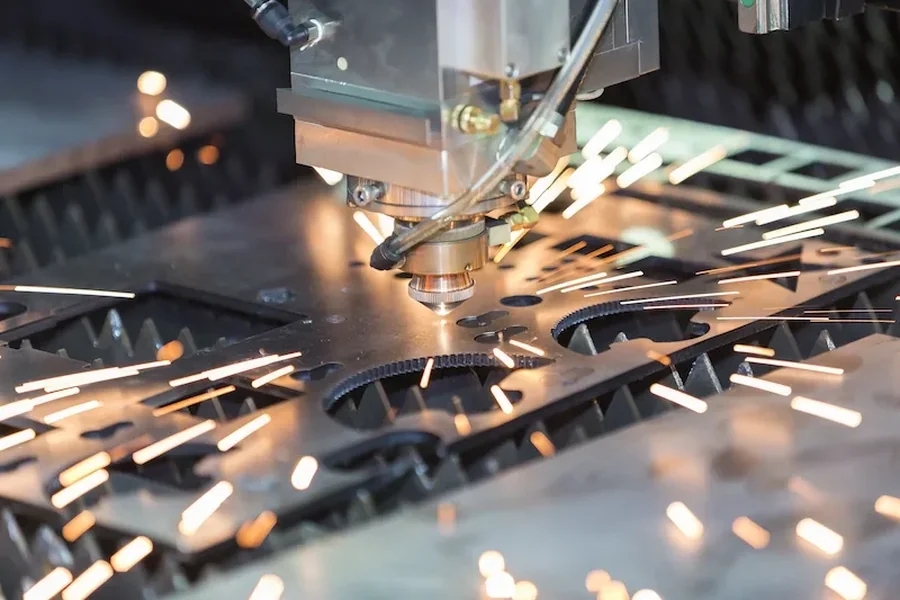
The world of metal fabrication is witnessing significant advancements in cutting technologies that are redefining efficiency and precision. Traditional cutting methods are now complemented, and in some cases replaced, by advanced techniques such as laser, plasma, and waterjet cutting. Laser cutting is lauded for its unrivaled precision, allowing intricate designs to be cut with minimal tolerance. This process uses a focused beam of light to vaporize the material, creating clean edges without the roughness often associated with other cutting methods. It is particularly advantageous for stainless steel or aluminum sheets, yielding flawless finishes that often eliminate the need for additional processing. On the other hand, plasma cutting is known for its speed and ability to cut through thicker materials quickly. Utilizing a controlled plasma arc to melt through metal, this method excels in industrial environments that require rapid production. Yet, while it offers efficiency, the quality of the cut may not always match that of laser cutting, leaving more jagged edges that typically require further finishing. Waterjet cutting presents another innovative alternative, utilizing a high-pressure jet of water, often mixed with abrasive materials, to slice through metals. This method is advantageous for materials that are sensitive to heat because waterjet cutting does not create heat-affected zones that could weaken the metal structure. Each of these cutting techniques brings unique benefits to large sheet metal fabrication and continues to shape the industry in exciting ways.
Welding Wonders: Techniques that Ensure Strength and Durability
Welding represents a pivotal aspect of large sheet metal fabrication, and advancements in techniques have enhanced the overall quality and reliability of welded structures. MIG (Metal Inert Gas) and TIG (Tungsten Inert Gas) welding are among the most common methods used in the industry. MIG welding is preferred for its speed and versatility, making it ideal for thick sheets and heavy-duty constructions. Using a continuously fed wire, this method allows for rapid projects without sacrificing strength. Conversely, TIG welding is heralded for the superior quality of its welds. It relies on non-consumable tungsten electrode and is especially effective for thin materials, producing aesthetically pleasing welds that provide exceptional structural integrity. While TIG welding may demand more skill and time, the results are often worth the investment, especially for industries where performance and appearance are crucial. Emerging technologies are further advancing welding techniques. Robotic welding systems, equipped with precision sensors and controls, maximize efficiency while minimizing human error. These systems can maintain consistent quality across large-scale production, and as they gain traction, traditional welding techniques are evolving to incorporate automation, leading to safer and more precise fabrication processes.
Finishing Touches: Surface Treatments That Elevate Aesthetics
Once the metal components have been cut and assembled, the finishing process plays a critical role in both aesthetics and longevity. Surface treatments can include processes like powder coating, plating, anodizing, and more, each chosen based on the specific requirements of the application. One of the most popular finishes, powder coating, involves applying a dry powder to the metal, which is then cured under heat to create a durable, colorful finish. This treatment not only offers a sleek appearance but also protects the metal from corrosion and damage due to environmental elements. Anodizing is particularly effective for aluminum, enhancing its natural oxide layer to provide greater resistance against corrosion and wear. This technique can also add vibrant colors to the metal, broadening its range of design possibilities in architecture and consumer products. Furthermore, plating techniques, such as electroplating, can provide a thin layer of another metal, like chrome or nickel, to enhance both aesthetics and corrosion resistance. These finishing techniques are vital to ensuring that the final products not only meet functional demands but also appeal visually to consumers and stakeholders alike.
Applications of Large Sheet Metal: Beyond the Obvious
Architectural Marvels: Designing with Metal in Mind
In the realm of architecture, the use of large sheet metal has redefined the aesthetics and functionality of modern buildings. Designers and architects are leveraging the versatility of metal materials to create stunning facades, roofing systems, and structural elements. From the gleaming stainless steel exteriors of contemporary skyscrapers to dynamic metal sculptures that punctuate urban landscapes, metal has become a go-to material for innovative environmental designs. Consider the renowned New York City’s High Line, a remarkable public park that has seamlessly integrated metal structures into its landscape. The use of large sheets of weathering steel provides both structural support and an appealing rustic aesthetic that enhances the overall design. Architects now routinely experiment with large sheet metal to create not just durable buildings but to invoke a sense of artistic expression a trend that increasingly appeals to environmentally conscious consumers as well. Furthermore, large sheet metal is not solely about aesthetics; it brings a distinct efficiency to construction. Lightweight materials reduce structural load, allowing for more daring designs, while properties like durability and fire resistance bolster safety and longevity. As sustainable building practices become more prevalent, the aluminum and stainless steel used in large sheet metal fabrication present themselves as eco-friendly choices, highlighting recycled content and low environmental impact during production.
Industrial Giants: Essential Roles in Manufacturing and Production
Beyond architecture, large sheet metal plays a crucial role in numerous industries, particularly in manufacturing and production processes. Many components of machinery, transportation vehicles, and storage facilities incorporate large metal sheets due to their strength and adaptability. From the housing of electrical equipment to the frameworks of large-scale industrial machines, sheet metal provides a foundation that supports vast arrays of functionality across industries. In automotive manufacturing, large sheet metal fabrications are pivotal in building both the chassis and body of vehicles. High strength-to-weight ratio equations allow for designs that enhance performance without compromising safety. Additionally, components such as heat shields, exhaust systems, and engine covers heavily rely on precision-engineered sheet metal parts that can withstand extreme operating conditions. Moreover, in the aerospace industry, every gram matters. Large sheet metal fabrication enables the production of lightweight yet sturdy parts that contribute to aerodynamics and fuel efficiency. Innovations in fabrication processes allow the integration of more complex geometries that are better optimized for performance, illustrating a clear case of how manufacturing relies on advanced sheet metal capabilities.
Custom Creations: Unique Projects that Showcase Creativity
One of the most exciting aspects of large sheet metal fabrication is its potential for custom projects that highlight artistic flair and innovation. From bespoke furniture designs that draw on contemporary art styles to one-of-a-kind signage that reflects local culture, artists and fabricators collaborate closely to push the limits of design. Custom metal artworks often become focal points within spaces, expressing personal stories or community values. Here, the role of technology cannot be underestimated computerized cutting processes, 3D modeling, and CAD software empower artists to visualize and execute their concepts in ways that were previously unimaginable. The marriage between art and technology enables the creation of intricate sculptures, decorative screens, and even modular spaces that adapt to human interactions. More than aesthetics, these custom creations often challenge conventional forms and functions, asking observers to rethink the role of metal in their environments. Furthermore, many fabricators offer services that cater to diverse sectors, from residential projects to elaborate commercial installations. This flexibility ensures that both private individuals and businesses can have tailored solutions that meet their unique needs and specifications. The growing demand for customization in metalwork not only demonstrates the capability of fabricators to adapt but also signifies a greater appreciation for artisanal craftsmanship in a mass-produced world.
Navigating Challenges and Future Trends in Fabrication
Environmental Considerations: Sustainability in Metal Fabrication
As industries face increasing pressure to prioritize sustainable practices, the field of large sheet metal fabrication is no exception. The production of metals often comes with significant ecological footprints, prompting manufacturers to seek ways to reduce waste and enhance energy efficiency. Key strategies include utilizing recycling programs for metal scraps, helping to minimize material wastage and reduce raw material demand. In fact, metals such as aluminum and steel have high recycling rates, allowing for resource conservation and lowering emissions associated with new extraction processes. Moreover, advancements in eco-friendly manufacturing practices, such as enhanced energy efficient cutting techniques and water-based finishes, are becoming standard. These practices not only appeal to environmentally conscious consumers but also contribute to the long-term viability of fabrication companies. Accordingly, the industry is witnessing a shift towards producing lower-impact materials, such as green steel, which is characterized by reduced carbon emissions during manufacturing. Every step of the fabrication process can be subject to scrutiny in terms of sustainability, from the sourcing of raw materials to the disposal of end products. As awareness grows among consumers, businesses that embrace and showcase sustainable practices not only contribute positively to the planet, but they also solidify their reputations and market positions.
Technological Advancements: Automation and Its Impact on the Workforce
The integration of technology into large sheet metal fabrication is revolutionizing the industry. Automation and robotics are enhancing production speed, precision, and efficiency, allowing companies to meet high demand levels while maintaining quality. An increasing number of fabrication shops are adopting automated welding robots, CNC machines, and advanced software that simplifies the fabrication process while reducing labor costs. However, this shift also raises critical questions about the workforce. As automation takes center stage, it is essential for workers to adapt by acquiring new skills in programming, machine operation, and design. Upskilling the workforce will not only ensure workers remain relevant in an evolving industry but also foster a culture of innovation that encourages collaboration between human intelligence and machine efficiency. In the coming years, the blending of human skill and advanced technology is likely to yield significant benefits. As machines handle routine tasks, skilled workers can focus on complex designs, troubleshooting, and quality assurance, ultimately leading to enhanced creativity and increased output. Embracing and investing in technology will prove crucial for the sustainability of the fabrication industry in an increasingly competitive landscape.
The Future of Fabrication: Predictions for the Next Decade
Looking ahead to the next decade, large sheet metal fabrication is poised to undergo transformative changes driven by trends in technology, customer demands, and sustainability. As industries evolve and adapt to shifts in consumer preferences such as a growing emphasis on custom, made-to-order products the capabilities of metal fabrication will need to keep pace. Increased precision, efficiency, and versatility will be at the forefront of advancements that cater to diverse market needs. Digital technologies like artificial intelligence and the Internet of Things (IoT) will also increasingly influence fabrication processes. IoT-enabled machines can gather data and communicate insights that inform aspects of the production chain, optimizing workflows and reducing waste. Predictive maintenance schedules enabled by AI may help prevent costly downtime, ensuring that fabrication facilities operate more smoothly and effectively. Ultimately, ongoing innovation in materials science, cutting techniques, and welding processes will continue to expand the horizons of what is achievable in large sheet metal fabrication. As the industry embraces these advancements with sustainability as a guiding principle fabricators will continue to carve out their vital role in shaping the future landscape of manufacturing and construction, artfully combining utility with creativity. In summary, as we celebrate advancements in the world of large sheet metal fabrication, it is clear that this field will remain indispensable across various industries. Embracing technology, sustainability, and artistry will ensure its continued relevance and impact for generations to come.
