

The Science Behind Biohazard Cleanup: Understanding the Risks
What Constitutes a Biohazard? Exploring Different Types
Biohazards are materials that pose a threat to human health or the environment due to their biological nature. These include a wide range of substances, from human and animal remains to hazardous medical waste. The Environmental Protection Agency (EPA) has classified biohazards into four primary categories: infectious agents, blood and body fluids, sharp objects, and environmental hazards. Infectious pathogens like bacteria and viruses represent a significant risk, especially in healthcare settings where exposure can spread diseases such as HIV, Hepatitis B, and other contagious illnesses. Furthermore, biohazards can also emerge from the aftermath of natural disasters, such as flooding, where contaminants may proliferate in contaminated water and soil.
Understanding the various types of biohazards is crucial for proper assessment and management. Human remains, often associated with crime scenes or accidents, require delicate handling to respect the deceased while ensuring safety. Medical waste, which includes disposable items used in healthcare facilities, can harbor pathogens and must be disposed of promptly and correctly to avoid contamination. Each type necessitates specific protocols for identification, containment, and cleanup, underscoring the need for specialized services.
Health Risks Associated with Biohazard Exposure
Exposure to biohazards can lead to a myriad of health issues, depending on the material involved and the level of exposure. Tiny pathogens, such as bacteria and viruses, can enter the body through cuts, inhalation, or contact with mucous membranes, leading to severe infections or diseases. For instance, handling sharps, like needles, can pose a risk of injury and subsequent transmission of bloodborne pathogens. Furthermore, prolonged exposure to contaminated environments can lead to chronic health problems, including respiratory issues and mental health strains stemming from trauma associated with events necessitating cleanup.
Additionally, specific groups, such as immunocompromised individuals, children, and the elderly, may experience heightened vulnerability to biohazard exposure, necessitating immediate and thorough cleanup to mitigate risks. It is vital for those involved in biohazard cleanup to understand these health risks to adopt appropriate safety measures effectively. This understanding not only protects the cleanup personnel but also contributes to community safety overall.
Essential Cleanup Protocols: The Importance of Compliance
Compliance with established biohazard cleanup protocols is essential for several reasons: it ensures the safety of both workers and the general public while minimizing the risk of contamination spread. The Occupational Safety and Health Administration (OSHA) has set forth guidelines that outline essential practices such as risk assessment, proper training, and adherence to regulations which organizations must follow. When conducting a biohazard cleanup, the first step involves conducting a thorough risk assessment to understand the extent of contamination and the specific hazards present. This process will inform the appropriate protocols and techniques required for safe handling.
Equally important is training personnel in the use of proper containment methods, decontamination procedures, and disposal techniques. Cleanup teams must regularly update their knowledge on current regulations and best practices to remain compliant and effective. This diligence protects individuals directly involved in cleanup efforts and helps establish a safer standard across related industries by creating a culture of compliance and responsibility.
Protective Measures: Gear Up for Safety
Choosing the Right Personal Protective Equipment (PPE)
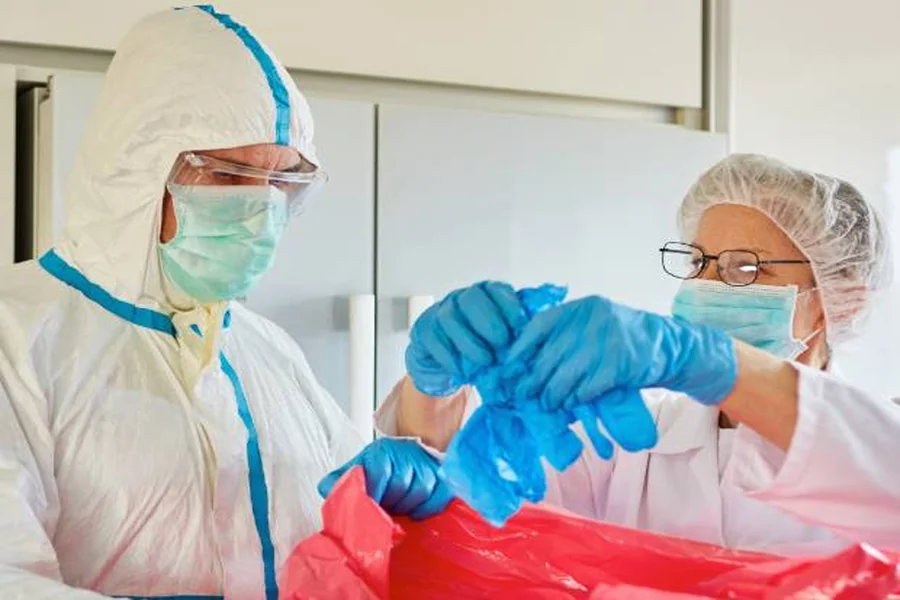
The selection of appropriate Personal Protective Equipment (PPE) is a critical step in ensuring safety during biohazard cleanup operations. PPE serves as the frontline defense against exposure to harmful biological agents. Depending on the nature of the biohazard, PPE can include items such as gloves, masks, goggles, and specialized coveralls.
Gloves should be made from materials that resist punctures and tears, such as nitrile or latex, and must be worn at all times to prevent skin contact with hazardous materials. Face masks or respirators are essential when dealing with airborne pathogens or toxic fumes; the type used will depend on the risk level and presence of volatile substances. Eye protection is equally critical, as biohazard exposure can occur through splashes or spills; proper eye protection can include safety goggles or face shields.
In high-risk scenarios, full-body suits may be required to provide comprehensive protection against contamination. These suits should have built-in filtration systems and be both water and puncture-resistant. Ultimately, the right PPE minimizes the risk of injury and exposure, directly correlating with the overall safety of the cleanup operations conducted.
Best Practices for Safe Handling and Disposal
Handling biohazard materials demands stringent best practices in order to protect workers and the surrounding environment. All biohazardous waste must be contained in designated, color-coded containers labeled accurately to alert and inform the handlers of the type of waste it contains. These containers should be puncture-resistant, tightly sealed, and regularly replaced to prevent overflow or leaks.
When transporting biohazard waste, it is crucial to follow specific routing and transportation protocols to avoid exposure to third parties. Informing local authorities of the cleanup operation prior to moving waste ensures compliance with local regulations and safety measures.
Disposal is equally essential and must occur through licensed disposal contractors. When possible, incineration is preferred as a method for biohazard disposal due to its effectiveness in destroying pathogens. Additionally, chemical disinfection might be used in scenarios where incineration is not feasible. Understanding and adhering to local, state, and federal regulations surrounding the disposal of biohazard waste is critical in ensuring long-term safety while minimizing environmental impact.
The Role of Decontamination in Biohazard Cleanup
Decontamination is a vital component of biohazard cleanup, encompassing a series of steps aimed at rendering a contaminated environment safe. The decontamination process typically involves three main methods: cleaning, disinfecting, and sterilizing. Each method has its application depending on the level of contamination and the surfaces involved.
Cleansing is the first step and includes the removal of organic matter, dirt, and debris. This foundational step is essential since surface contaminants can hinder the effectiveness of the subsequent disinfection process. After adequate cleaning, disinfectants that are EPA-registered and effective against specific pathogens must be applied to eliminate any remaining microorganisms. This step may include the use of sprays, wipes, or fogging systems for large areas.
Finally, sterilization achieved through methods such as steam, chemical agents, or radiation may be necessary in situations where the presence of highly infectious pathogens is confirmed. The thoroughness of the decontamination process directly impacts long-term safety and hygiene, ensuring environments are safe recovering spaces.
Finding the Right Professionals: What to Look For
Qualities of a Reputable Biohazard Cleanup Service
Choosing the right biohazard cleanup professional is paramount to ensure a successful and safe operation. Reputable services will be highly trained and certified, with established track records in the industry. They should employ personnel with comprehensive knowledge of biohazard risks, state and federal compliance, and practical experience in handling various types of cleanup tasks.
Furthermore, a commitment to customer care is also an essential quality, as dealing with biohazard situations can be emotionally taxing for those affected. A service that provides empathy, clear communication, and support can make a significant difference to clients navigating the challenging aftermath of a biohazard incident. They should also offer to work with insurance claims to assist clients through logistical challenges during such stressful times.
Questions to Ask Before Hiring Biohazard Professionals
Prior to hiring a biohazard cleanup service, clients should ask a series of pertinent questions to ensure they are making an informed decision. Inquire about the company’s licensing and certifications, as these are crucial for ensuring compliance with safety regulations. Furthermore, ask how long they have been in business and request references from previous clients to gauge their reputation.
Investigate the specific training process that their staff undergoes, focusing particularly on their emergency response protocol and ongoing education. Additionally, inquire about the cleaning methods and equipment they employ; reputable companies will utilize the latest technology and best practices to ensure effective cleanup.
Lastly, clients should discuss costs upfront, including potential hidden fees and payment processes. Understanding these aspects will lead to a smoother experience and may also reveal additional services that may be offered.
The Importance of Certification and Training in the Industry
Certification and training of biohazard cleanup professionals play a pivotal role in ensuring the safety and effectiveness of operations. Various organizations, such as the Institute of Inspection, Cleaning and Restoration Certification (IICRC) and the National Institute of Health (NIH), provide specialized training programs covering biohazard operations. Certification ensures that personnel are knowledgeable about applicable laws, industry standards, and the latest techniques in biohazard management.
Safety training is paramount, as it prepares workers to handle potential risks and emergencies during cleanup. Compliance with OSHA regulations ensures that employers maintain safe working conditions and that employees are well-versed in safety protocols. Continuous education is also essential, as the landscape of biohazard risks and cleanup technologies continues to evolve. A certified professional is not just a mark of legitimacy; it ensures enhanced safety, effectiveness, and adherence to ethical and legal standards in managing biohazard incidents.
Post-Cleanup Considerations: Ensuring Long-Term Safety
Aftermath Assessment: Evaluating the Cleanup Effectiveness
After the completion of biohazard cleanup, a thorough aftermath assessment is essential to evaluate the effectiveness of the operation. This assessment consists of various evaluations, including surface testing, air quality testing, and site inspection. Testing surfaces for residual contamination ensures that all pathogens and contaminants have been effectively removed, while testing air quality can highlight any lingering airborne threats. Visual inspections help identify any overlooked areas that may still harbor biohazardous materials.
Engaging an independent third party for assessments might be advisable to bolster credibility. These evaluations should be documented and filed, as they are crucial for accountability and transparency while also serving as a future reference point should any issues arise. Effective aftermath assessments not only confirm successful cleanup but also promote long-term safety and preparedness.
Preventive Measures to Avoid Future Biohazard Issues
Implementing preventive measures is vital to avoid future biohazard incidents. Education plays a key role in fostering awareness regarding potential risks associated with biohazards, especially in environments such as homes, businesses, and community centers. Conducting educational seminars or distributing informative materials to affected populations can significantly increase awareness and prevention.
Regular maintenance and safety checks of facilities can aid in identifying hazards before they escalate into biohazard situations. For businesses, establishing protocols for incident reporting, including swift response plans and training employees on how to identify biohazards, can mitigate risks significantly.
Furthermore, ensuring proper sanitation and waste disposal practices among businesses that generate biohazard waste reduces the likelihood of contamination. Establishing a relationship with trusted biohazard cleanup professionals may also yield preventative measures tailored to the specific needs of organizations. Being proactive about biohazard risks not only protects individuals but also strengthens community resilience as a whole.
Community Awareness: Educating Others on Biohazard Safety
Community awareness is critical when tackling biohazard safety. Engaging the community through educational programs or workshops can empower individuals with the knowledge to recognize and respond appropriately to biohazard incidents. Local organizations can collaborate with biohazard cleanup professionals to deliver insights on safe handling of materials, proper disposal methods, and emergency response procedures.
Furthermore, utilizing media platforms for educational outreach can broaden awareness, reaching diverse audiences within the community. Social media, community newsletters, and local events can serve as avenues for sharing vital information regarding biohazard safety. Encouraging discussions on biohazard issues fosters community vigilance and preparedness, creating a culture that prioritizes public health and safety.
Ultimately, a unified approach to biohazard education spanning from individual actions to community initiatives can go a long way in safeguarding health and safety. Through awareness, individuals and communities can fortify their defenses against biohazard risks, thus ensuring a healthier, safer environment for everyone.
