

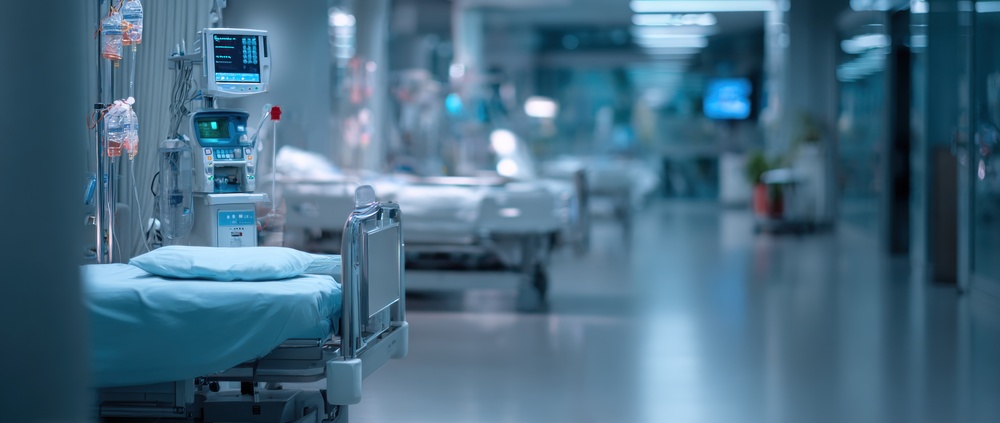
Healthcare facilities today face a perfect storm. More patients, older buildings, wild weather. Something must change, and it shouldn't be life-saving systems. The answer? Build resilience from the ground up.
The Growing Pressure on Healthcare Infrastructure
Hospitals and clinics face immense pressure. Aging baby boomers require more care. Growing suburbs attract young families seeking local medical care. Meanwhile, the bones of these buildings often date back to the disco era or earlier. Power grids fail more often now. Sometimes it's a hurricane. Other times a heat wave pushes the electrical system past its breaking point. Winter brings frozen pipes that burst and flood entire wings. Every time something breaks, patients pay the price.
Patient records live in computers now instead of filing cabinets. X-ray machines talk directly to specialist workstations. Rural clinics connect patients with far-away experts through video calls. Great stuff until the network crashes. Then nobody can find anything. Test results vanish into the ether. One department can't tell another department what's happening three doors down. The whole operation grinds to a halt.
What Makes a System Truly Resilient
A resilient system takes a punch and keeps going. Power cuts out? No problem, generators fire up before anyone notices. Internet goes down? The backup connection already took over. Real resilience runs deeper though. It's about systems that learn and adjust. Building controls that read the weather forecast and prepare accordingly. Networks that expand instantly when patient loads spike. Equipment built in sections so fixing one part doesn't mean shutting down the whole thing. Smart facilities bring in outside help for this stuff. Commonwealth, an engineering consulting company offering data center services, helps healthcare organizations keep running no matter what happens.
The Human Cost of System Failures
Behind every system failure, there's a person suffering. The kidney patient who missed dialysis because the clinic lost power. The premature baby whose incubator stopped regulating temperature. The car accident victim whose surgery got postponed when operating room ventilation failed. These aren't statistics. They're somebody's parent, child, neighbor.
Staff suffer too, though differently. Ever watched a nurse try to work around broken equipment? It's painful. Doctors making life-or-death calls without complete patient information because the computer system is down again. Hospital administrators fielding angry calls from families while simultaneously trying to find emergency repair technicians at midnight. People burn out. They quit. Then the facility has to train new staff, and the cycle continues.
Money hemorrhages during every failure. Insurance companies reject claims for procedures that got delayed. Patients drive to the hospital across town that actually works, taking their insurance dollars with them. Government inspectors show up with clipboards and fine schedules. All that emergency repair money could've bought new equipment if spent wisely upfront.
Building Better Systems for Tomorrow
Getting from here to there takes planning and persistence. First step: figure out what's broken or about to break. Next: make a priority list, because nobody has infinite money. Then start fixing things, beginning with whatever could kill someone if it fails. People need training too. Knowing how to react during an alarm. Practicing drills to build muscle memory for emergency situations. Clarifying communication protocols for emergencies.
Conclusion
Patient care facilities hold communities together. They're where life begins and ends, where broken bodies get fixed and worried families find comfort. Resilient systems aren't some luxury for facilities with money to burn. They serve as the basis upon which everything else is built. Every dollar invested in reinforcing these systems will prevent many crises later on. Crucially, it honors patient trust. The clock's ticking. The next crisis won't wait for facilities to get ready.
