

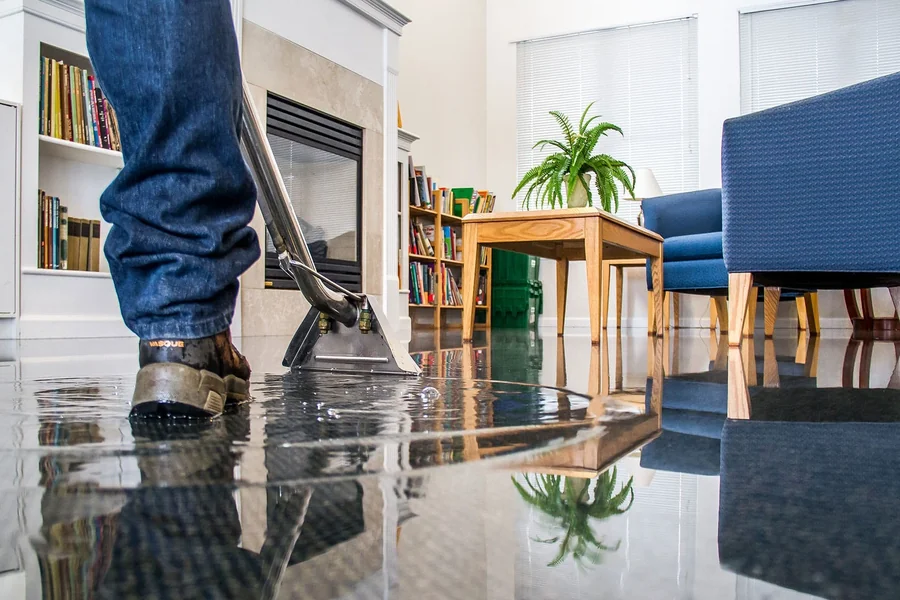
It is important to remember that water damage can affect your home without any notice. For instance, a leaking pipe may flood your basement after bursting while you are outside or on vacation. Your dishwasher can suddenly leak and spill water on your hardwood kitchen floor.
A spring storm may lead to leaking roof, which will lead to water damage across your household. We can differentiate numerous situations where water mitigation and restoration services are required. You should learn more about Strictly Cleaning Restoration, which will offer you a peace of mind.
However, you should understand the difference between water restoration and water mitigation. Still, we recommend you to stay with to learn more about this particular topic. Let us start from the beginning.
What is Water Damage Mitigation?
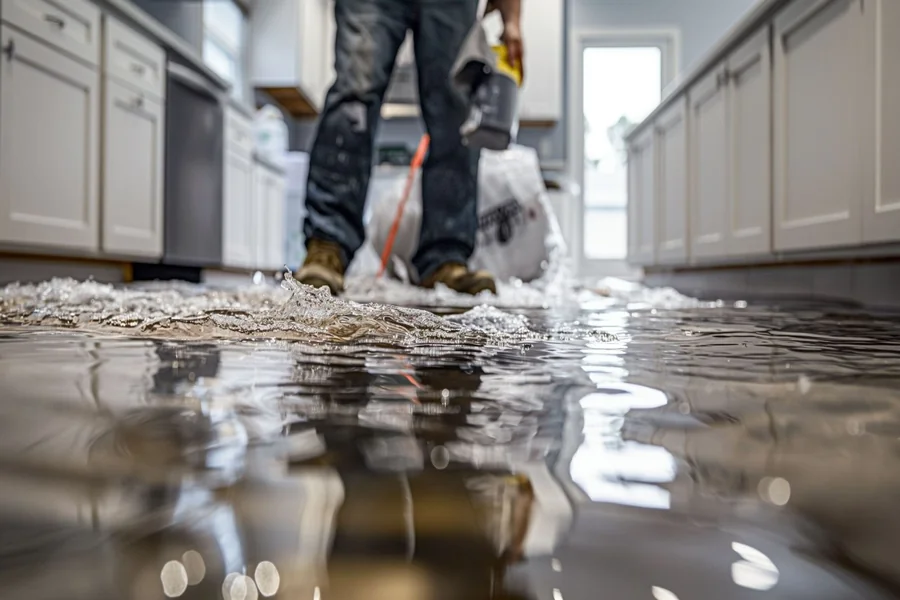
It is important to remember that water damage mitigation will prevent further damage from affecting your property and interior. The process involves using specialized techniques and equipment to minimize things you have lost such as:
- Disinfecting and cleaning salvageable materials
- Removing damaged materials and furniture including flooring and drywall
- Extracting water and trying out the home with commercial-grade equipment
- Ensuring the home’s structural stability
- Protect the integrity of the home by applying tarps, boarding up windows and taking other relevant and necessary precautions
Remember that water damage mitigation service is not for replacing or repairing damaged property. Instead, it can help you reduce the disaster by removing belongings and preventing further consequences from happening.
You should click here to learn more about water damage restoration. While the mitigation process can prevent further issues, the service is just a temporary solution.
What is Restoration?
Water damage restoration is mainly focused on restoring and repairing the water damage caused to a property or household. After the mitigation process ends, you should find water damage restoration professionals who will focus on rebuilding and reconstructing your home by implementing various strategies and applications.
The main idea of restoration is to help homeowners to recover from damage altogether. Remember that steps they take will depend on the extend of water damage and other factors, you should know that restoration service includes:
- Eliminating mold
- Replacing damaged flooring and walls
- Repairing roof damage
- Conducting moisture and humidity screening to ensure everything is taken cared of
As you can see, the main purpose of restoration for water damage is to return your household in pre-loss conditions. Since repairs cannot happen until the water issues are addressed, you should know that water restoration process starts after mitigation and not before.
Differences Between Mitigation and Restoration
You should remember that water mitigation service will always be performed first, while it should be followed by water restoration service. Mitigation is essential because you can prevent further damage from occurring, while you can focus on getting your belongings and property out of harms way.
On the other hand, water restoration is here to help you repair the existing damage that water caused to your household. While mitigation and restoration can be handled separately, in most cases, professional restoration companies will rely on both methods to help you restore your household afterward, which is vital to remember.
Common Misconceptions About Restoration and Mitigation
Check out this guide: https://www.wikihow.com/Clean-Up-Water-Damage to learn how to handle water damage. We can differentiate numerous misconceptions about water mitigation and restoration procedures, including:
Replace or Repair
In most cases, when you decide to rely on a restoration company to salvage and clean your home’s structure, you should know that the process is more affordable than replacing them with new altogether.
The main goal is finding experienced restoration company that will understand which materials require replacement and which ones are salvageable, which is vital to remember.
Carpets and Walls Cannot Dry on their Own
Most people think that drywall and carpets can dry on their own time. However, the real issue is that humidity can hide behind and underneath these materials, wreaking havoc and causing serious problems.
The main idea is to put yourself and others away from potential health issues, especially since trapped moisture leads to mold infestation, which is why professionals are required. Instead of waiting, you should talk with restoration company and use advanced sensors and meters to measure humidity levels so they can effectively reduce the risk of mold infestation.
Remember that white vinegar can handle and kill small traces of mold, but if you are experiencing extensive issues, then you need professional remedy. A mold remediation company can help you effectively deal with them while preventing the return at the same time.
Final Word
Some people think that it is more affordable to handle water restoration and mitigation processes by yourself instead of calling professionals. Although it may be true in face value, making lousy decisions can cost you more in the long run. Cleaning assignments require specific equipment and knowledge, which is something you can get with professionals.
