

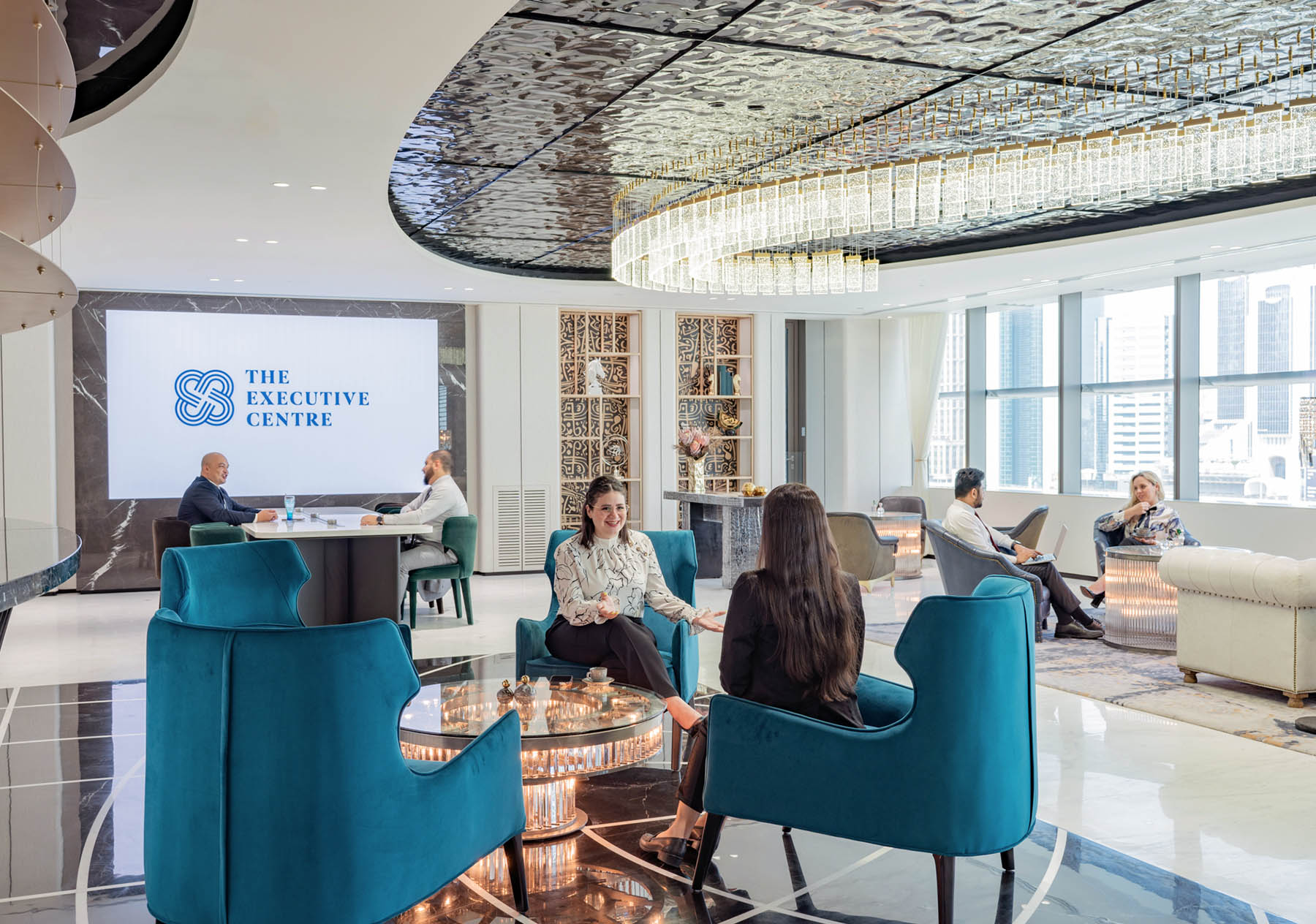
An office is more than a room filled with desks. The layout affects how people talk to each other, how teams finish tasks, and how comfortable employees feel during the day. Many companies now treat workspace planning as part of their business strategy rather than a simple design decision.
Across the United Arab Emirates, organisations continue to expand in fields like technology, finance, and consulting. With that growth comes a stronger focus on flexible work environments that support both productivity and employee satisfaction.
Selecting the right office setup requires careful thought. Team size, work style, meeting needs, and future expansion all shape the ideal workspace. This blog explains how you can match office design with the daily needs of your business.
How to Choose the Right Office Setup for Your Business
Office layout decisions often start with appearance, but design alone does not define a productive workplace. The real focus should be on how people work during the day. Teams move between conversations, quiet work, meetings, and quick problem-solving. A well-planned office allows those activities to happen naturally.
The following ideas can help you evaluate what kind of workspace fits your organisation.
Understand Your Team’s Work Style
Every company works differently. Some teams depend on constant interaction, while others spend most of the day working independently. Observing daily routines helps you understand what kind of environment people actually need.
Marketing teams often exchange ideas quickly. Designers discuss concepts frequently. These groups usually benefit from open work areas where communication happens easily. Sales teams also tend to move around often, making flexible seating or shared desks useful.
Other departments may require quiet surroundings. Finance teams review numbers carefully, and legal professionals deal with confidential information. Those roles benefit from enclosed spaces where concentration remains uninterrupted.
Consider Different Office Layout Types
Businesses today have several layout options, and each one shapes the work environment in a different way. Open-plan offices remain common because they encourage interaction. People share ideas quickly, and teams stay connected during projects.
However, open spaces can also create distractions. Noise travels easily across the room, and frequent conversations interrupt focused tasks. Many organisations respond by combining open desks with quiet areas.
Private offices offer another option. These rooms give employees space for concentration, private calls, or confidential meetings. Managers often use enclosed offices when discussions involve sensitive topics.
Plan for Collaboration and Meeting Spaces
Communication happens constantly during the workday. Quick conversations take place between desks, while longer discussions move into meeting rooms. Planning these spaces properly improves teamwork.
Conference rooms serve several purposes. Teams use them for presentations, strategy discussions, or client meetings. A well-equipped conference room also supports remote participation, which has become common in many organisations.
Smaller meeting areas help with short discussions. Two or three people might need a private space for fifteen minutes. Without small rooms available, they often gather around desks and disrupt nearby coworkers.
Focus on Employee Comfort and Productivity
Comfort affects how well people work throughout the day. Poor lighting, uncomfortable chairs, or crowded desks quickly reduce focus. Small improvements in workspace design can make a noticeable difference.
Natural light helps employees stay alert and motivated. Workstations placed near windows often feel more inviting. When natural light is limited, good interior lighting helps maintain energy levels.
Ergonomic chairs and desks support posture during long working hours. People spend many hours seated at their desks, so comfort should not be overlooked.
Allow Flexibility for Business Growth
Businesses rarely remain the same size for long. A small team today may grow quickly in the next few years. Planning office space with flexibility in mind can save time and money later.
Some layouts allow desks to be rearranged easily. Modular furniture and movable partitions help companies adjust the space without major renovation. When new employees join the team, the office can expand smoothly.
Flexible workspaces also support changing priorities. Departments may grow at different speeds, and projects may require temporary teams. A layout that adapts to these shifts keeps operations running smoothly.
Evaluate Technology and Infrastructure Needs
Modern offices depend heavily on digital tools. Communication platforms, cloud systems, and online meetings all require reliable infrastructure.
Strong internet connectivity supports daily operations. Employees rely on stable connections for video calls, file sharing, and online collaboration. Slow connections interrupt meetings and delay projects.
Meeting rooms should include screens or projectors for presentations. Video conferencing systems help remote participants join discussions without difficulty.
Power outlets and charging stations also matter. Employees use multiple devices throughout the day, including laptops, tablets, and phones. Easy access to power keeps work moving without interruption.
Businesses exploring office options at One Central, Dubai often look for spaces that support strong connectivity and modern workplace technology.
Reflect Your Brand Through Office Design
An office does more than support daily work. It also represents the company’s identity. Clients, partners, and visitors form impressions the moment they enter the space.
Reception areas create that first impression. A clean, organised entrance shows professionalism and attention to detail. Comfortable seating and clear signage also help visitors feel welcome.
Meeting rooms often host important conversations. Contract discussions, project briefings, and partnership meetings all take place in these spaces. A well-designed environment communicates reliability and professionalism.
Balance Privacy with Open Communication
A productive office balances interaction and quiet work. Open layouts encourage teamwork, but too much noise can make concentration difficult.
Providing private spaces helps maintain that balance. Quiet rooms allow employees to focus on detailed work or confidential tasks. Small enclosed offices also support private calls or sensitive conversations.
Sound control also matters. Carpets, acoustic panels, or partitions can reduce background noise. These design choices create a calmer environment even in shared spaces.
Employees often switch between collaboration and independent work throughout the day. When the office offers both options, people choose the environment that suits their task at that moment.
Conclusion
Office design continues to evolve as companies rethink how people work together. Teams expect environments that support communication, focus, and comfort at the same time. Thoughtful workspace planning helps businesses adapt to these changing expectations.
A well-designed office also supports long-term growth. Flexible layouts allow teams to expand, adjust, and reorganise without constant disruption. Companies that approach office planning with care often see better collaboration and stronger employee satisfaction.
Workspaces like One Central, Dubai, reflect this shift toward adaptable office environments. As business needs change over time, offices that support flexibility and thoughtful design will remain valuable for organisations looking to build productive workplaces.
