

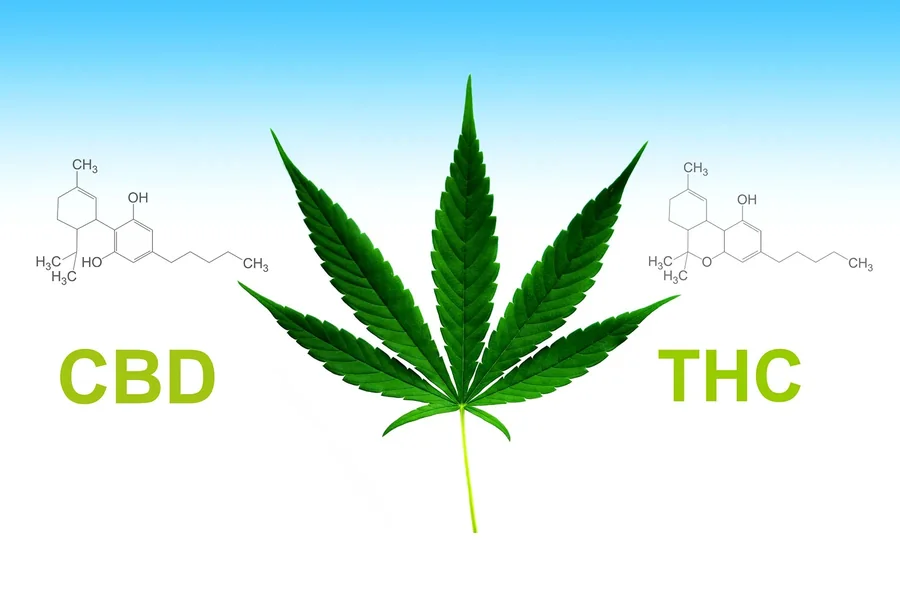
As the cannabis industry continues to evolve, so does our understanding of the plant’s many compounds. While THC (tetrahydrocannabinol) and CBD (cannabidiol) have become household names, another important cannabinoid is starting to gain attention: THCA, or tetrahydrocannabinolic acid. Found abundantly in raw cannabis, THCA is the precursor to THC, and although it doesn’t produce psychoactive effects, it has its own promising health benefits and applications.
In this article, we’ll take a closer look at what THCA is, how it works, how it differs from THC, its potential benefits, and how to use it effectively.
What is THCA?
THCA, or tetrahydrocannabinolic acid, is a naturally occurring compound found in raw and unheated cannabis plants. It is considered an inactive cannabinoid because it does not cause the “high” typically associated with cannabis use.
THCA is the acidic precursor to THC. When cannabis is heated—a process known as decarboxylation—THCA converts into THC, the compound responsible for the psychoactive effects of cannabis. Decarboxylation happens through smoking, vaping, or cooking at high temperatures.
In raw form, cannabis is rich in THCA, not THC. That means products made from raw or minimally processed cannabis, like juices or tinctures, may provide the benefits of THCA without the mind-altering effects of THC.
THCA vs. THC: Key Differences
Although THCA and THC are closely related, they have some significant differences:
| Feature | THCA | THC |
|---|---|---|
| Psychoactive | No | Yes |
| Found In | Raw, live cannabis | Heated or aged cannabis |
| Common Uses | Anti-inflammatory, wellness support | Pain relief, anxiety, recreational |
| Legal Status | Varies, often legal under hemp laws | Regulated under cannabis laws |
| Heat Activation | Converts to THC when heated | Already active in heated products |
Because of these differences, THCA appeals to consumers who want the potential benefits of cannabis without the mental high.
Potential Health Benefits of THCA
Research into THCA is still emerging, but preliminary studies and anecdotal evidence suggest that it may have several therapeutic properties:
-
Anti-Inflammatory
THCA may reduce inflammation, making it potentially beneficial for people with arthritis, lupus, or other inflammatory conditions. It works by interacting with the body’s endocannabinoid system, which helps regulate immune response.
-
Neuroprotective Properties
Some studies suggest that THCA may help protect brain cells and support cognitive function. These properties make it a compound of interest in the treatment of neurodegenerative diseases like Alzheimer’s or Parkinson’s.
-
Nausea Relief
THCA may help reduce nausea and vomiting, especially in cancer patients undergoing chemotherapy. Unlike THC, THCA provides this effect without causing psychoactivity, which can be advantageous for medical users.
-
Appetite Stimulation
Like its decarboxylated counterpart THC, THCA may help stimulate appetite—useful for individuals experiencing weight loss due to chronic illness or eating disorders.
-
Antioxidant Support
THCA is believed to have antioxidant properties, which help combat oxidative stress and support overall cellular health.
While more clinical trials are needed, THCA shows promise as a therapeutic compound with minimal side effects.
How to Consume THCA
Because THCA becomes THC when heated, the method of consumption is key to maintaining its non-psychoactive properties.
Here are common ways to use THCA:
-
Raw Cannabis Consumption
Eating raw cannabis leaves or buds is the most natural way to consume THCA. Many people juice fresh cannabis or blend it into smoothies. This method preserves THCA in its original form and delivers it along with other beneficial nutrients.
-
THCA Tinctures
Tinctures are liquid extracts that contain THCA without being exposed to heat. They are taken sublingually (under the tongue) and allow for precise dosing.
-
Capsules or Pills
THCA capsules offer a convenient way to consume a consistent dose. These are ideal for those seeking the medicinal benefits of cannabis without smoking or vaping.
-
Topicals
Some creams and salves contain THCA for targeted relief of inflammation or pain. When applied to the skin, THCA does not enter the bloodstream, so it won’t cause psychoactive effects.
Note: If you smoke or cook THCA-rich cannabis, it will convert to THC, resulting in a high. If you want to retain the non-psychoactive benefits, avoid heating the product.
Is THCA Legal?
The legal status of THCA depends on its source and your local laws. In the United States:
- Hemp-derived THCA is often legal under the 2018 Farm Bill, as long as it contains less than 0.3% Delta-9 THC by dry weight.
- Cannabis-derived THCA may be subject to stricter state regulations, especially if it is likely to be converted to THC.
However, some states treat THCA the same as THC because of its potential to convert into a psychoactive compound when heated. Always check your state and local regulations before purchasing or consuming THCA products.
Final Thoughts: Is THCA Right for You?
THCA offers a unique way to explore the benefits of cannabis without the high. Whether you’re seeking relief from inflammation, support for neurological health, or simply a wellness supplement with antioxidant properties, THCA may be a good fit.
As with any cannabis-derived product, it’s important to:
- Start with a low dose
- Choose high-quality, lab-tested products
- Consult your healthcare provider, especially if you are taking medications or managing a chronic condition
In the growing landscape of natural medicine, THCA stands out as a gentle yet potentially powerful ally in promoting health and well-being — without altering your state of mind. As research continues, we’ll likely see even more applications for this fascinating cannabinoid.
