

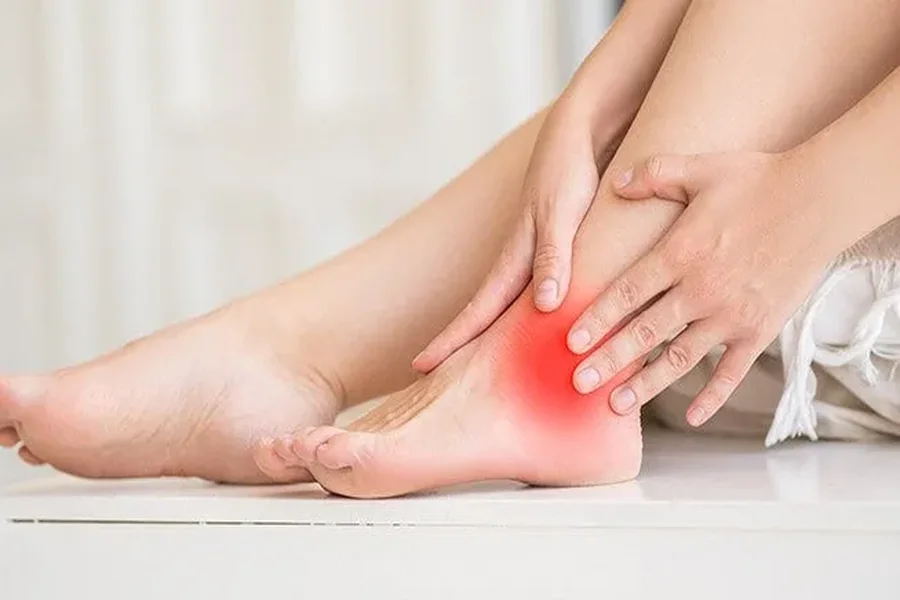
Beginning from weekend hikes to grocery store runs, your ankles bear your body’s full weight with every step you take. That persistent ankle pain isn’t just a small inconvenience; it can limit your mobility and daily comfort. Understanding the root causes of walking-related ankle pain is the first step toward relief.
Now, let’s examine the reasons behind why you’re experiencing pain when walking, how to deal with it, and how you can prevent it with orthopedic ankle support.
Why Does My Ankle Hurt When I Walk? 5 Common Triggers
The following may be reasons why your ankle is hurting when walking:
Ankle Sprains (Soft Tissue Injury):
This is one of the most common causes, occurring when ligaments (which connect bones) are stretched or torn due to a sudden twist or rollover. It causes sharp pain, swelling, and difficulty bearing weight.
Achilles Tendinitis Tendinopathy:
A condition where the Achilles tendon becomes inflamed or irritated, particularly because of repetitive strain, increased physical activity, or poorly fitted shoes.
Osteoarthritis:
Chronic wear of the cartilage in the ankle joint, leading to discomfort, reduced mobility, and morning or post-activity stiffness.
Tarsal Tunnel Syndrome:
This condition arises from pressure on the tibial nerve, producing sensations like burning, tingling, or shooting pain along the inner side of the ankle and foot.
Chronic Instability Overuse:
Continuously spraining the ankle or, conversely, not letting a previous sprain heal fully can lead to chronic instability. This leaves the ankle weak and painful during daily activities.
Other Potential Causes
Fractures: A broken bone caused by taking a fall or impact.
Bursitis: Inflammation of the fluid-filled sacs that cushion the joint.
Gout: A type of arthritis causing intense pain because of uric acid retention.
The Role of an Orthopedic Ankle Support in Chronic Pain Management
The main functions of an ankle support in pain management are:
- Stabilization and Support: They reduce risky, painful movement while maintaining essential motion, supporting injured or weak ankles.
- Pain Reduction and Compression: Gentle, firm compression improves blood circulation and alleviates swelling and the pain that accompanies it.
- Improved Gait and Mobility: They provide support that enhances joint alignment and weight balance, making movement smoother and less painful.
- Proprioception Enhancement: They improve awareness of joint position, helping to prevent further injury and motions that could worsen discomfort.
Effective Solutions for Relieving Foot and Ankle Discomfort
Incorporate these at-home methods for relieving pain:
- Rest: Refrain from activities that cause pain or strain the joint, giving it time to heal.
- Ice: Regularly place a towel-wrapped ice pack on the affected area for 15–20 minutes to help control inflammation.
- Compression: Use an elastic bandage to control swelling, making sure it is not too tight.
- Elevation: Keep the ankle or foot raised above the heart, particularly when lying down, to reduce swelling.
- Warm Soaks: Use warm water or Epsom salt baths to relieve muscle stiffness.
- Medication: Over-the-counter NSAIDs like ibuprofen or naproxen can reduce pain and inflammation.
When is an Ankle Support Brace Necessary?
Wear an ankle support brace in the following cases:
- Acute sprains (Grade I–II) to reduce swelling and stabilize the joint.
- Post-surgical recovery to protect healing ligaments and tissues.
- Chronic ankle instability with frequent sprains or the ankle giving way.
- High-risk sports like basketball, soccer, or running on uneven surfaces.
- Spending continuous hours standing, walking, or performing daily activities with weak or arthritic ankles.
Can wearing ankle support socks improve my walking endurance?
Absolutely, ankle support socks from Leeford Ortho can enhance walking endurance through their compression and support, and here’s how:
- Boosts blood circulation, which helps to reduce swelling and inflammation.
- Stabilizes muscles and prevents tiredness.
- Promotes quick recovery for muscles and also alleviates pain when or after walking.
Tips for Maximum Benefit:
- Choose the Right Fit: Snug, not painful.
- Wear Them Properly: Put them on in the morning.
- Consider Length: Knee-high offers better circulation support.
- Start Slowly: Gradually increase the time you wear them each day.
When should I switch from a flexible strap to a rigid ankle brace?
Below are 4 signs to change from a flexible strap to a rigid ankle brace:
i. Grade II or III Sprains (Moderate to Severe Tears):
Complete or moderate ligament tears require firm immobilization, which flexible straps cannot provide.
ii. Persistent “Giving Way” or Instability:
If your ankle constantly feels weak, wobbles, or rolls during daily activity, a rigid brace is needed to mechanically prevent the joint from rolling.
iii. Chronic Ankle Instability (CAI):
When previous sprains have left your ankle permanently unstable, a rigid, long-term brace prevents chronic, recurring injuries.
iv. Post-Surgical Protection:
A rigid ankle brace is required to keep the joint stable during the early recovery stage.
v. Suspected or Confirmed Stable Fractures:
A rigid brace or cast is required to limit all excessive range of motion, providing the necessary support for a fracture to heal.
vi. Failed Previous Treatment:
Continued pain or swelling despite using a flexible brace shows that the support is inadequate.
vii. Inability to Bear Weight:
If walking is painful or nearly impossible because of ankle instability, a rigid brace is required to support weight.
viii. High-Risk Sport Participation:
Athletes returning to sports like football, basketball, or volleyball usually need the extra lateral and medial protection of rigid braces.
Conclusion
Don’t overlook the warning signs your body gives, even during a simple walk. Whether you need firm brace support or gentle relief like rest and warm soaks, early care helps prevent bigger injuries. Pair at-home methods like R.I.C.E. with reliable orthopedic support to ease pain, protect your ankles, and walk comfortably with greater confidence.
Incorporate these simple tips to support your ankles and rediscover the joy of walking without any limitations.
